The Buyer Is Now an Editor
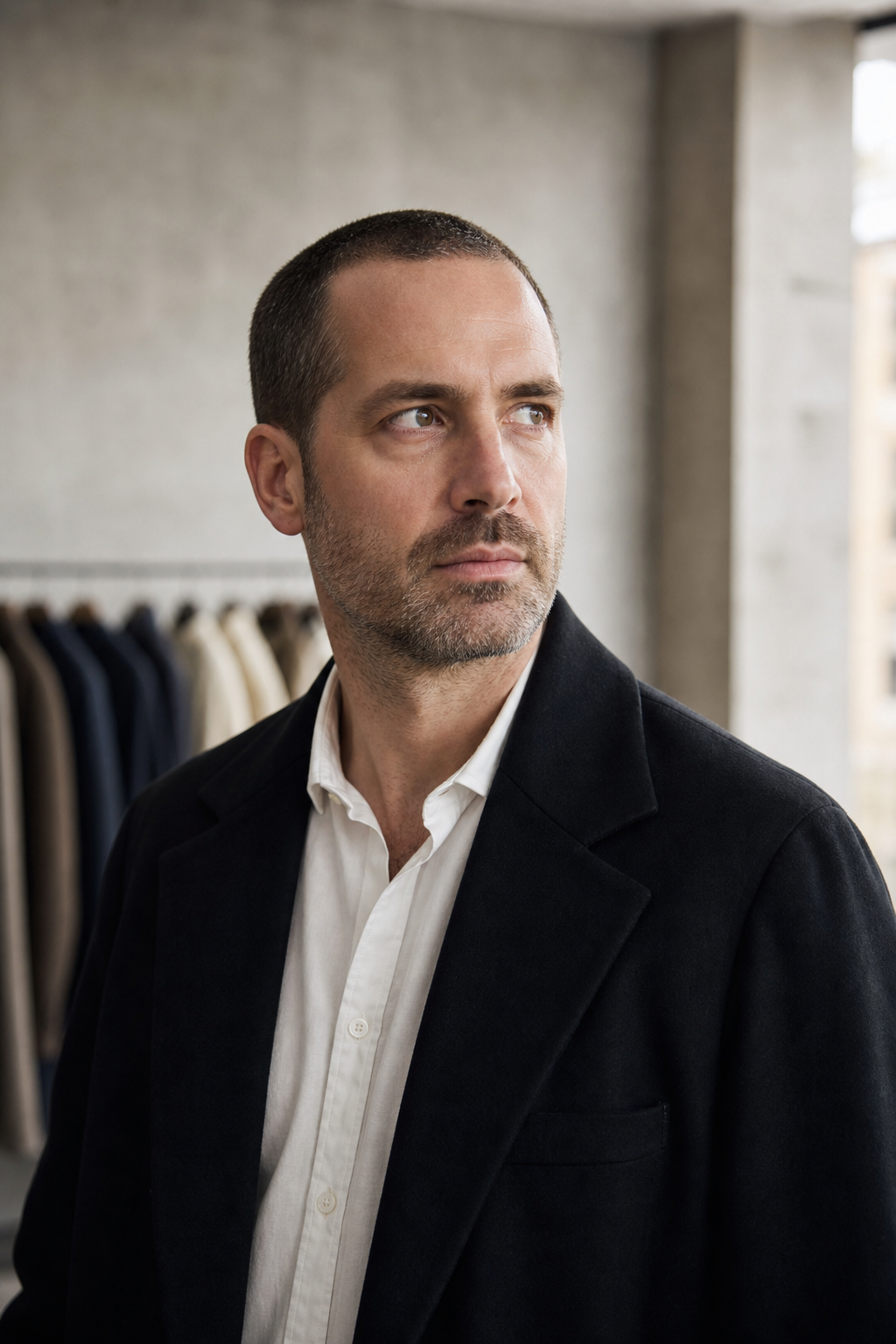
To buy well is to edit the present while making room for the future
The traditional image of a buyer is practical: a person who studies a collection, selects the strongest pieces and calculates what will sell.
That description is still true, but it no longer explains the full job. Today, a buyer is also an editor, a translator and sometimes the first person to give an emerging designer a public context.
The market is crowded with images. A customer can encounter a look through a runway stream, a private message, a resale platform or a twelve-second video. Visibility is abundant; attention is not. The buyer’s task is to create a point of view inside that abundance — to decide which objects belong together and why they should be seen now.
This is particularly important for smaller labels. A young brand may have a clear visual identity but limited language for explaining its value. When a store places that label beside established names, the selection becomes an argument. The edit says: these clothes belong in the same conversation, even if they come from different scales, cities or histories.
Good buying is therefore less about predicting a single trend than understanding the conditions around a product. Who made it? What does its material feel like in real life? Does the silhouette work outside the image? Can the brand deliver consistently without losing the quality that made it interesting? These questions are commercial, but they are also cultural.
Physical retail still has an advantage that the feed cannot fully reproduce: proportion. A customer can see how one garment changes the meaning of another. A severe coat can make a delicate dress look stronger. A familiar shoe can make an unfamiliar designer feel possible. The store becomes a sequence, not a catalogue.
The best digital shops are learning to build that same sense of sequence. They use writing, image order, movement and recommendation to make discovery feel intentional. The interface is no longer neutral. It can flatten everything into product, or it can give the customer enough information to recognise a point of view.
The buyer of the future will need both instincts: the discipline to understand a business and the sensitivity to protect an idea. Selection is not a passive act. It tells people what deserves attention, what can be connected and what kind of fashion world might exist next.
To buy well is to edit the present while making room for the future.